
"historic coffee farms"
800 article(s) found

Colombian Coffee-A Special Flavor created by Historical Environment
Columbia Coffee Historical Environment created Special Flavor Coffee knowledge Exchange more coffee bean information please follow the coffee workshop (Wechat official account cafe_style) Colombian coffee basic introduction Colombian coffee-origin in Colombia, roasted coffee beans will release a sweet flavor, with sweet in the acid, bitter taste in the good quality, because the concentration is suitable

A brief introduction to the historical development of coffee in Taiwan to understand the reasons for coffee in Taiwan
In the 18th century, 1884 (10 years of Guang Xu), the British were introduced to trial planting in the three Gorges of Taipei. during the Japanese occupation era, the Japanese saw that Taiwan's climate and soil were suitable for coffee, so they introduced "Arabica" from abroad and successfully planted it in the north. They invested heavily in Zhiben and Mizuho, and the yield was good. In the 19th century, Taiwan had rich coffee output and good quality and flavor, which led to the complete victory period of coffee in Taiwan.

Historical Origin and Development of Colombian Coffee varieties Flavor characteristics of Colombian coffee beans
The cultural process of coffee development in Colombia is the natural environment with the most favorable conditions for coffee growth. But beyond that, it is inseparable from the hard work of local growers. In Colombia, coffee cultivation has reached 1.07 million hectares, with about 302000 coffee plantations and 30 to 40 per cent of farmers.

Distribution characteristics of planting Historical Manor in Coffee Bean growing area of Nicaragua
Communication of professional baristas Please pay attention to Coffee Workshop (Wechat official account cafe_style) Nicaraguan coffee is mainly produced in the central and northern parts of Nicaragua, covered with volcanic ash and shaded by trees, resulting in high-quality Nicaraguan coffee, which has a mediocre, mild flavor and is suitable for mixed coffee. Shade planting is its characteristic, while coffee beans are washed and dried in the sun.

Starbucks Reserve Coffee beans Yunnan Coffee Yunnan Yellow Honey Coffee beans Flavor Historical Story
In 2012, Starbucks opened a Yunnan Farmer support Center in Pu'er. The goal is simple: to help farmers in Yunnan improve coffee quality while establishing CAFE (coffee and farm assets) practices to help ensure socially and environmentally responsible coffee production. Recently, Starbucks Aini Coffee Co. A joint venture initiative began to provide high-quality coffee beans to farmers in the area

Brief introduction of coffee producing country Brazil what are the advantages and disadvantages of historical strip picking of Brazilian coffee beans?
Brazil country profile: area-8515770 square kilometers of the capital-main port city of Brasilia-Port Santos population-205823665 (July 2016) spoken language-Portuguese (official), German, some Spanish, various American Indian languages, English about coffee: the population involved in coffee-about 360000
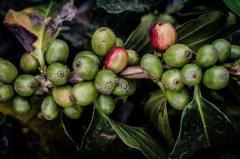
History of coffee in Rwanda, one of the largest coffee growers in the world. Introduction to small coffee farms.
Rwandan coffee has both a colorful history and an exciting taste. It is a rare and excellent coffee producing area. But it is true that the history of coffee in Rwanda is not as long as we think, and the historical development of coffee in Rwanda can even be described as twists and turns. The first coffee plants arrived in Rwanda as late as the early 20th century, but 30 years later, Rwandan coffee

The historical development and specific introduction of the coffee producing area of Puerto Rico
Following Cafe (official Wechat account vdailycom) found that the Cafe Beautiful opened a small shop of its own and coffee trees were introduced to Puertp Rico from Martinique in 1736. Most of the early coffee was grown by immigrants from Corsica. By 1896, Puerto Rico ranked sixth in coffee exports in the world, with most coffee shipped to France, Italy and the West.

Indonesian coffee producing area Indonesian Arabica coffee beans cultivation characteristics and historical development story
Indonesian coffee, grown in ash, pepper and spices, is revered for its distinctive, unmistakable flavor, velvety texture and earthy hues. Secret? Position, position, position. Located between the Pacific Ocean and the Indian Ocean, the Republic of Indonesia consists of more than 16,000 mountainous volcanic islands, including Arabica, Java, Sumatra and Sura.

Introduction to the Flavor characteristics of Historical stories about the cultivation of Coffee in Chiapas Chiapas in Mexico
Professional coffee knowledge exchange more coffee bean information please follow the coffee workshop (Wechat official account cafe_style) Mexico is one of the largest producers of organic certified coffee, because of geographical factors, mostly sold to the United States. The country's coffee industry, which began in the 19th century and was introduced through Jamaica, is mainly planted with Arabica varieties, near So in Guatemala on the Pacific coast.
History of coffee in Rwanda, one of the largest coffee growers in the world. Introduction to small coffee farms.
Rwandan coffee has both a colorful history and an exciting taste. It is a rare and excellent coffee producing area. But it is true that the history of coffee in Rwanda is not as long as we think, and the historical development of coffee in Rwanda can even be described as twists and turns. The first coffee plants arrived in Rwanda as late as the early 20th century, but 30 years later, Rwandan coffee

Historical Story of the Development of Paradise Manor on the Plateau and Coffee Bean species in the Coffee Nayarit Coffee region of Mexico
For more information on coffee beans, please follow the coffee workshop (Wechat official account cafe_style) Mexican coffee is said to have been transplanted to Mexico from the West Indies by a Spaniard in the late 18th century. The excellent Mexican coffee has a comfortable taste, mellow taste, moderate acidity, mild and meticulous, and pleasant aroma. Mexico has 12 major production

Introduction to the flavor and taste of Eincht boutique coffee in the historical story of Incht Manor in Guatemala
Incht Manor in Guatemala (Guatemala) since 1905, Incht Manor Finca El Injerto has produced excellent quality coffee beans in the high mountains of Guatemala-Huehuetenango on the premise of respecting and protecting primitive nature. Incht Manor is now owned by Arturo Aguirre and his son Arturo Jr. Operate and manage together. Agriculture

Introduction to coffee producing areas in the world: the historical origin of Hawaiian coffee, development and change
The Hawaiian Islands have long been considered a paradise on earth, and after nearly two centuries of coffee cultivation efforts, Kona has become almost synonymous with quality. Now, other Hawaiian islands are trying to catch up to Kona's high quality standards. For many beachgoers and coffee-lovers alike, Hawaii today really is Mark Twain's picture

A detailed description of the flavor of Kona Coffee in Hawaii Coffee growing area and Historical Kona Coffee
Given that Hawaii is the only state in the United States that grows commercial coffee, this naturally raises the question: what is the best Hawaiian coffee? First of all, as objective commentators, we always avoid the word "best" because it implies absolute superiority to some extent and does not realize the subtlety and vagueness of coffee appreciation. But, even so, it's clear that some summers

Introduction of coffee farm in Ethiopia introduction of Ted Manor in Sidamo
From a historical point of view, coffee is closely related to the history and religious culture of Ethiopia. In ancient times, Ethiopia was called Abyssinia and Axum, which was ruled by the Solomon dynasty. According to literature, the Hamitic people of the Mitt nationality migrated from Asia minor to present-day Ethiopia, and the merchants of Semitic migrated from about seven BC.

The Origin of Mexican Coffee beans the Historical Story of Mexican Coffee
For more information on coffee beans, please follow the coffee workshop (Wechat official account cafe_style) Mexican coffee beans are said to have been transplanted to Mexico from the West Indies by a Spaniard in the late 18th century. Mexican coffee beans with excellent performance, taste comfortable, mellow, moderately acidic, mild and meticulous, pleasant aroma. Mexico has 12 major
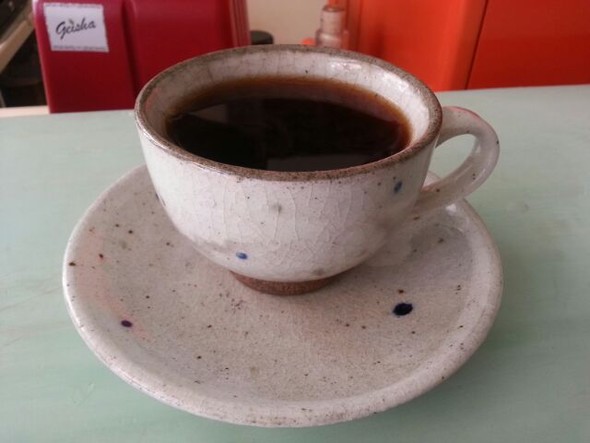
The New King of Fine Coffee-- A brief introduction to the Historical characteristics of Rosa Coffee
1 the species of Geisha was discovered in the rose forest of Ethiopia in 1931 and sent to the Coffee Research Institute in Kenya, introduced to Uganda and Tanzania in 1936, introduced to Costa Rica in 1953, and Panama was introduced by Francesca from Dongba Seven Farm Garden in the 1970s. Mr. Serraxin got the seeds from CATIE, Costa Rica, and began to grow Rosa Coffee.

Brazil Coffee production area Minas Minas / Minas Coffee cultivation Historical Story flavor characteristics
Professional coffee knowledge exchange more coffee bean information please follow the coffee workshop (Wechat official account cafe_style) Brazil is the largest coffee producer and exporter, accounting for 1 / 3 of the world's total coffee output. It has received extreme attention from the market every year during the period from flowering to harvest. In recent years, sophisticated and advanced processing technology has promoted Brazilian coffee to the list of fine coffee with a variety of varieties.

Panamanian Flower Butterfly Coffee Bean production region species and names Historical Origin resume
Following Ka Pai (Wechat official account vdailycom) found that the Beautiful Caf é opened a small shop of its own since early on, the Panamanian coffee industry has relied on the skilled hands of the Ngbe-Bugl Ngabe-Burger Panamanian Native Indians that have been migrating from their home in Mount comarca to work on the Baru Volcano Coffee Farm. Ngbe-Bugl Ngabe and Burger